%20(1)%20(1)%20(1).webp)

Bridging the Intergenerational Gap in Manufacturing with XR Training
- Gilad Tzori

- Dec 10, 2025
- 2 min read
Updated: Jan 22
Using XR to Preserve Expertise, Accelerate Onboarding, and Bridge Skills Gaps as the Manufacturing Workforce Evolves
By Gilad Tzori, COO at frontline.io, summary excerpt from an article originally published on Design News
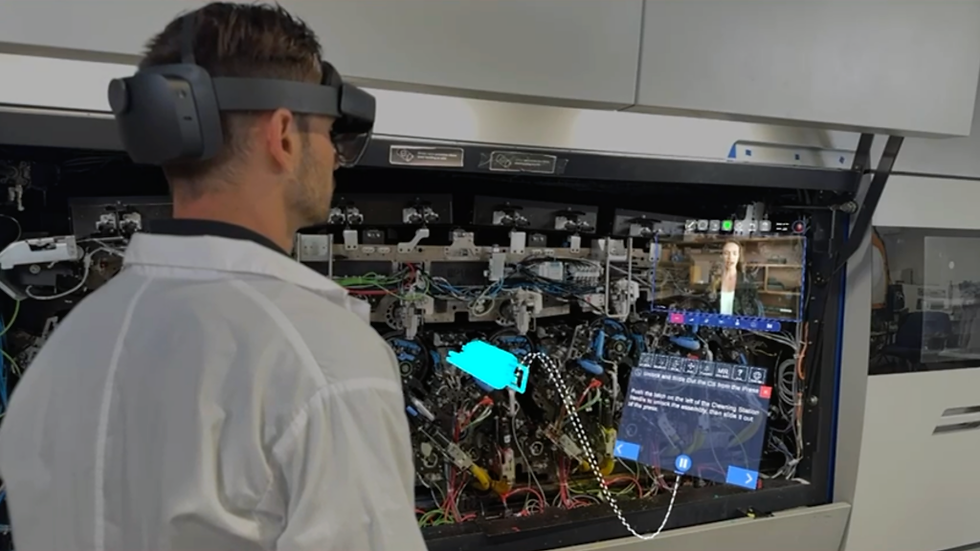
As industries face a growing skills gap, transferring decades of expertise to new technicians has never been more urgent. Manufacturers today are grappling with a global knowledge transfer challenge. Senior experts are retiring while new digital-native employees enter the workforce. These new workers expect on-demand learning and interactive tools. XR training and digital twins present a modern approach to scaling expertise and accelerating onboarding. This method does not rely solely on traditional in-person instruction.
In this Design News article, Gilad Tzori explores how XR training and digital twins preserve institutional knowledge, accelerate onboarding, and enable scalable workforce development in manufacturing. By capturing expert workflows in immersive formats, companies ensure critical operational know-how is not lost but is accessible anywhere, anytime. XR training can bridge the intergenerational divide in modern manufacturing.
(Topics: XR training, digital twins, manufacturing workforce, onboarding, knowledge transfer)

At a Glance – Why XR Matters Now
Institutional knowledge loss is accelerating as experts retire.
New technicians expect digital, hands-on learning.
Traditional training is slow and inconsistent to scale.
XR offers real-world simulation for faster skills acquisition.
The Pitfalls of Outdated Training Methods
In an industry already strained by a talent shortage, relying on outdated training methods to onboard new workers only compounds the problem. Traditional training methods like manuals, classroom sessions, and static video tutorials are becoming increasingly ineffective. The current generation of workers, particularly those just entering the industry, has grown up in a digital-first world. They expect training experiences that are interactive, dynamic, and immersive.
The Benefits of XR Training
XR training offers several advantages over traditional methods. It allows for real-time feedback and engagement. This technology can simulate real-world scenarios, enabling workers to practice skills in a safe environment. By using XR, companies can create a more engaging learning experience. This leads to better retention of information and faster skill acquisition.
Moreover, XR training can be customized to meet specific organizational needs. Companies can develop training modules tailored to their equipment and processes. This ensures that new technicians are well-prepared for their roles. As a result, organizations can maintain high productivity levels even as the workforce evolves.
frontline.io Perspective — Bringing XR Training into Reality
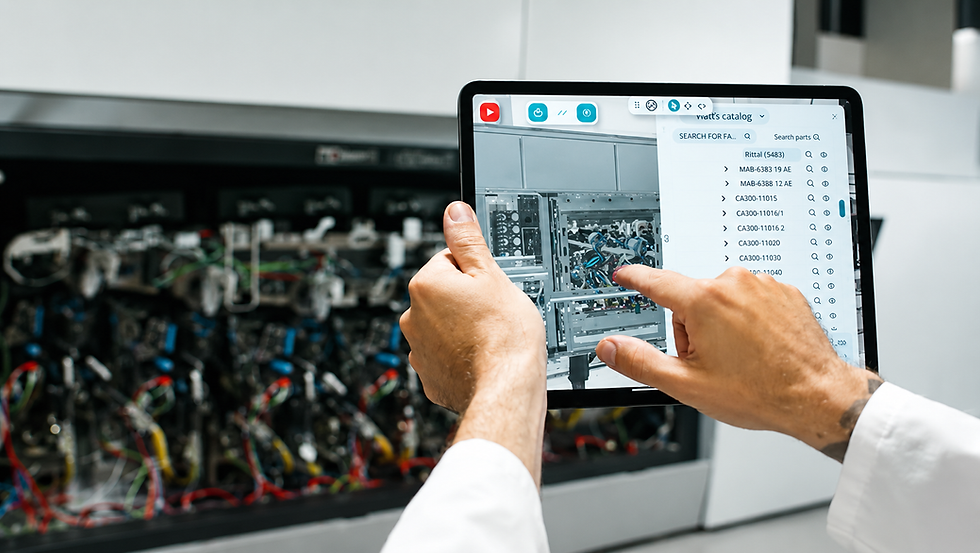
While the Design News article highlights the industry challenge, we see the impact firsthand. With frontline.io, manufacturers can turn expert knowledge into digital twin workflows, XR training modules, and guided step-by-step procedures. These resources are available across various platforms: mobile and tablet, PC and browser, and AR/VR headsets. This means teams can train in real-time simulations, remotely, and at scale, without needing an expert present on the factory floor.
With frontline.io, Companies Can:
Accelerate onboarding and reduce training time.
Preserve knowledge from retiring experts.
Reduce human error and machine downtime.
Standardize processes across all sites.
Train globally with the same high-quality experience.
Conclusion
As the manufacturing workforce evolves, embracing XR technology is no longer optional. It is essential for preserving expertise and ensuring a skilled workforce. By integrating XR training into their operations, companies can effectively address the skills gap and prepare for the future.
---wix---